← Working Groups
Climate Action Group
Supporting practical work on energy, emissions and environmental resilience in Comrie and at Cultybraggan Camp.
- climate
- energy
- environment
A record of local climate work
CDT's climate work dates to 2008, when Climate Challenge Fund support helped establish programmes on household energy use and carbon reduction in Comrie.
That history is useful context, but it does not by itself describe the group's current programme. New proposals, funding and delivery dates should be published only after they are confirmed.
Energy at the Camp
A solar photovoltaic array was installed on a Camp building in 2010. CDT has since explored further renewable-energy and building-efficiency options, including feasibility work for solar generation.
Feasibility work is not the same as an approved project. Any future proposal should state its status, evidence, funding, decision process and expected community benefit before making promises about delivery.
Work across Comrie
Climate action can include household energy, transport, land use, waste, biodiversity and community preparedness. The group's public information should identify which of these areas it is actively working on and where residents can contribute.
Ask about taking part
Contact CDT to ask what the group is currently working on, what help is needed and whether any meetings or practical sessions are confirmed.
Community participation
Working groups in action
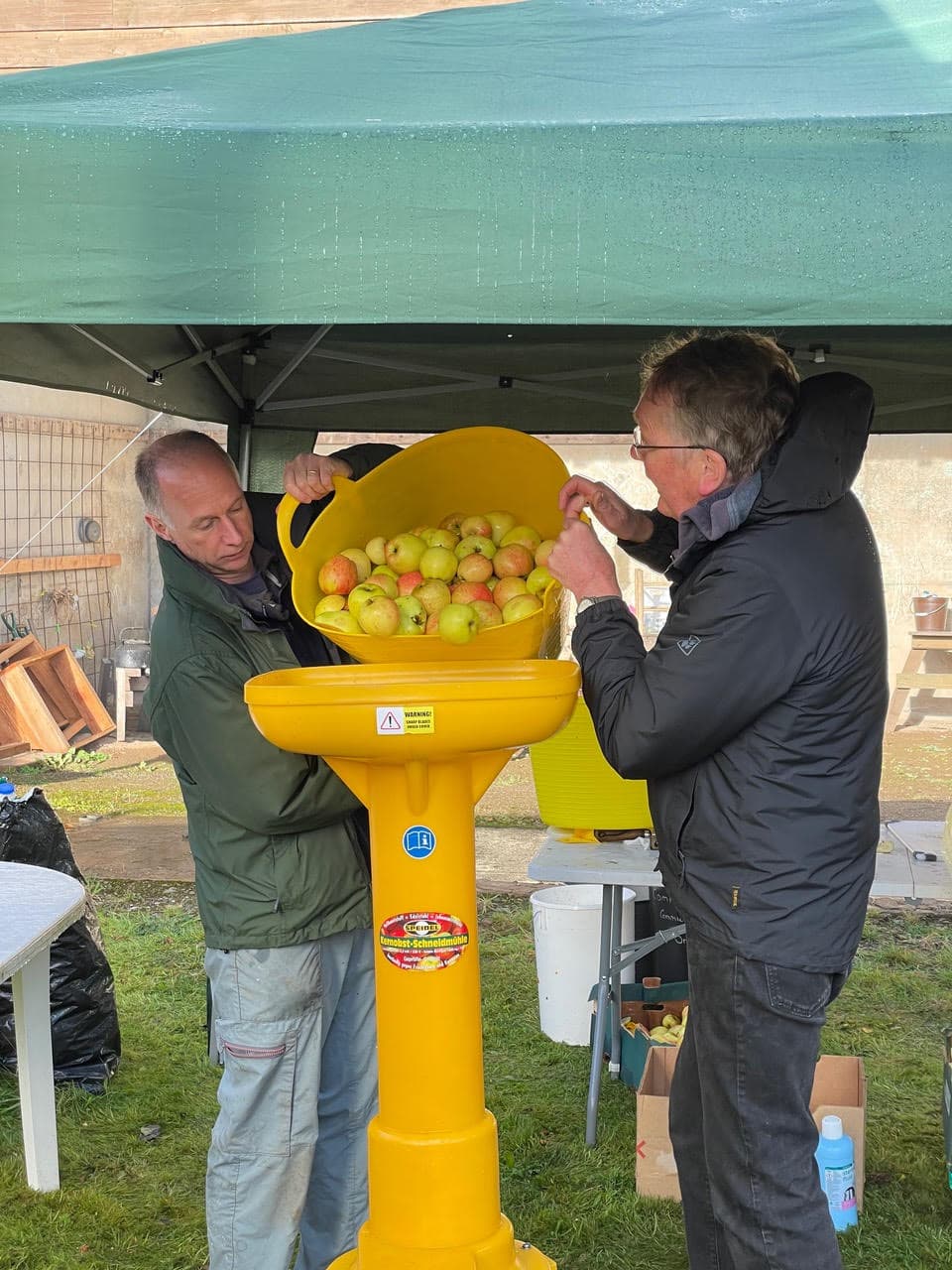


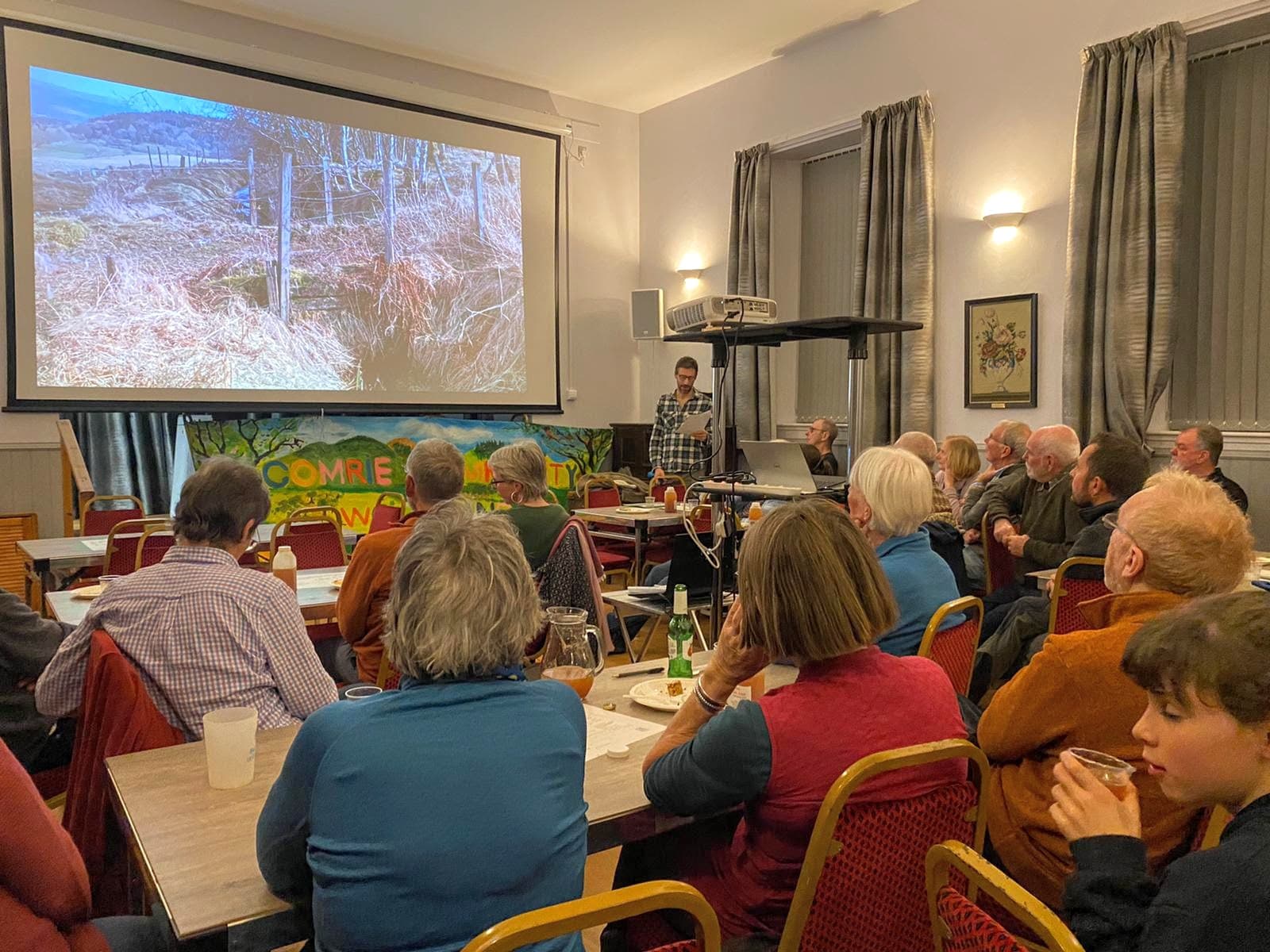
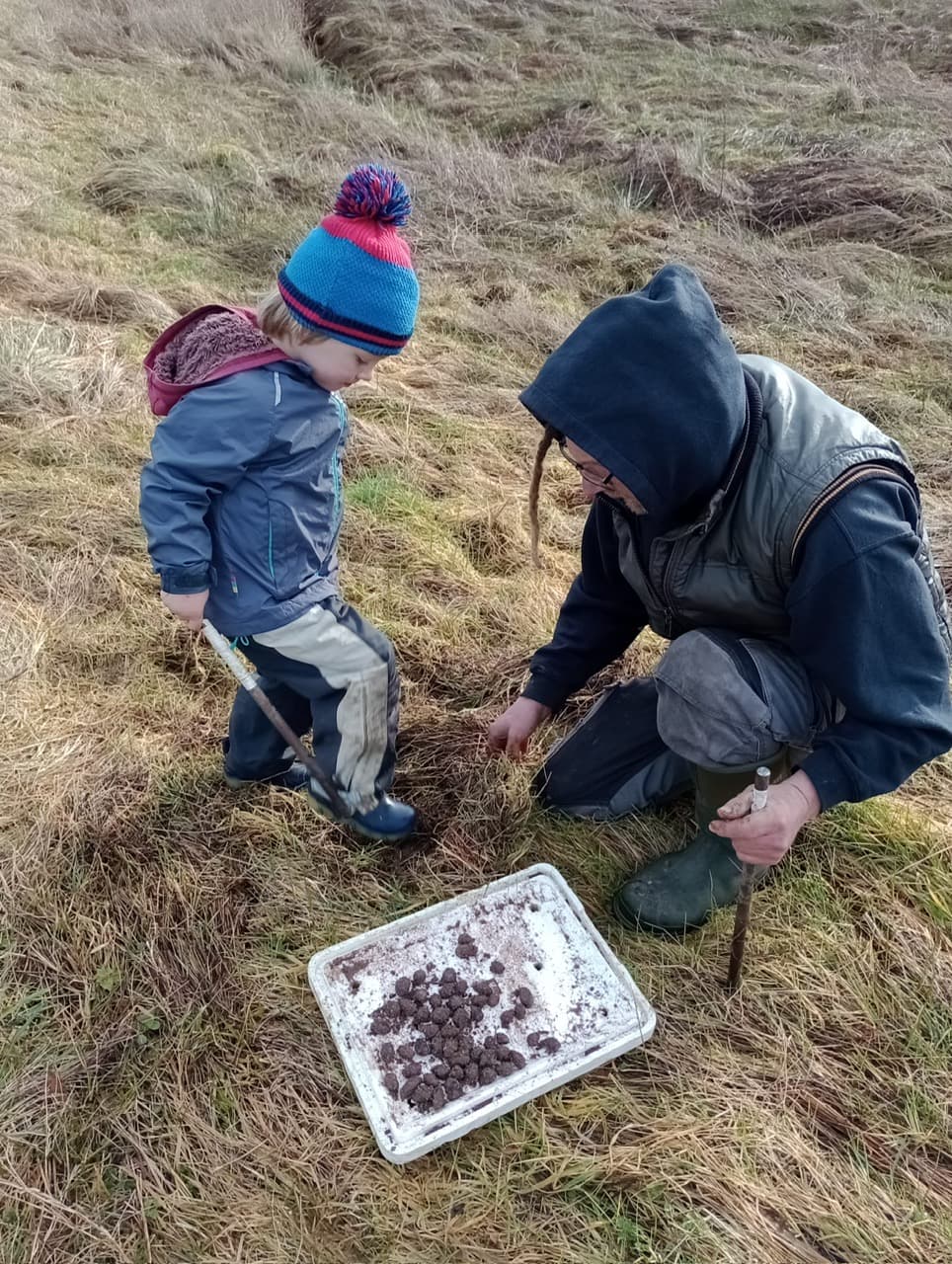
Volunteer with the Climate Action Group group
Get in touch to ask what help the group currently needs and what the work involves.